Gut Health and Mental Health: The Surprising Connection
Most of us know that what we eat affects how we feel physically, but science is showing it goes much deeper than that. The food on your plate might also shape your mood, stress levels, and even how clearly you think. The reason? Your gut and your brain are in constant conversation.
The Gut-Brain Connection
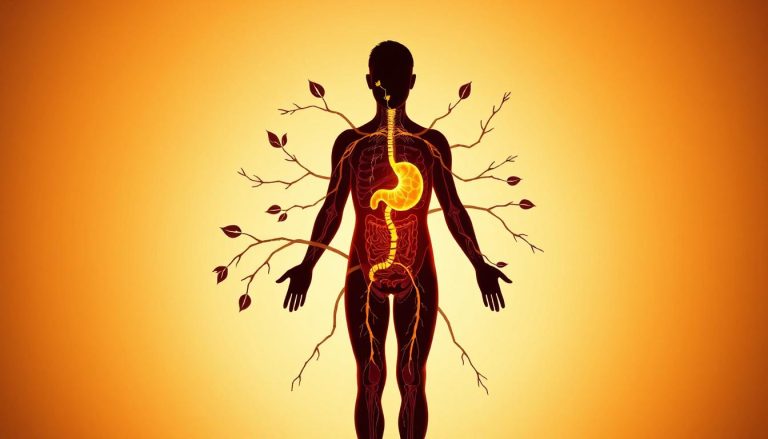
Your gut isn’t just a digestive organ—it’s often called your “second brain.” Inside it lives the gut microbiome, a community of trillions of bacteria that help digest food, produce vitamins, and keep your immune system in check. But these bacteria also send signals to your brain through what scientists call the gut-brain axis, a two-way communication system involving nerves, hormones, and chemicals like serotonin.
In fact, about 90% of the body’s serotonin (the “feel-good” chemical) is produced in the gut. So, when your gut is out of balance, your mood and mental clarity can suffer too.
How an Unhappy Gut Affects Your Mind
Researchers have linked poor gut health to anxiety, depression, and even cognitive decline. Here’s how it can play out:
- Inflammation: An imbalanced microbiome can trigger inflammation throughout the body, including the brain, which is linked to mood disorders.
- Stress Response: A stressed gut can make your body produce more cortisol, the stress hormone, which can make anxiety and fatigue worse.
- Neurotransmitters: Gut bacteria help create neurotransmitters like dopamine and serotonin. When these bacteria are disrupted, your brain chemistry can be too.
Think of it this way: when your gut feels off, your mind often does too.
What You Can Do to Support Both
You don’t need to overhaul your entire lifestyle to start improving gut and mental health. Small, consistent steps can make a big difference:
- Eat more fiber-rich foods. Fruits, vegetables, legumes, and whole grains feed the good bacteria in your gut.
- Add fermented foods. Yogurt, kimchi, sauerkraut, and kefir are full of probiotics that support a healthy microbiome.
- Cut back on processed foods. Artificial sweeteners, refined carbs, and junk food can feed harmful bacteria.
- Manage stress. Meditation, journaling, or even a short walk can help keep your gut-brain connection healthy.
- Sleep well. Your microbiome follows a rhythm just like you do. Poor sleep throws it off balance.
The Bottom Line
Your gut and brain are teammates, not separate players. When you take care of your gut, you’re not just helping digestion—you’re improving mood, focus, and emotional balance. It’s one of those areas where science keeps proving what many people intuitively feel: mental wellness starts in the gut.
So the next time you’re thinking about what to eat, remember—you’re feeding more than just your stomach. You’re feeding your mind too.