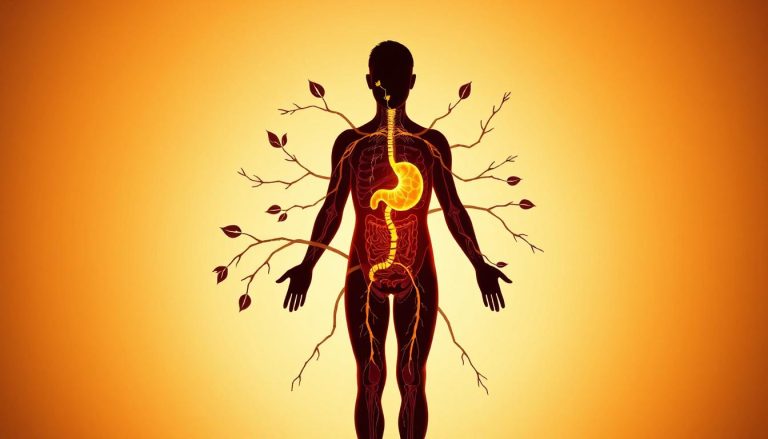
Integrative Approaches to Hormonal Balance (Especially for Women)
Hormonal balance plays a critical role in overall health, affecting mood, energy, metabolism, sleep, and reproductive health. For women, hormonal fluctuations can be particularly pronounced due to menstrual cycles, pregnancy, perimenopause, and menopause. While conventional medicine offers hormone replacement therapy and medications for specific conditions, many women seek integrative approaches that combine lifestyle, nutrition, and mind-body strategies.
Understanding Hormonal Imbalance
Hormones are chemical messengers produced by glands such as the thyroid, adrenal glands, ovaries, and pancreas. They regulate numerous bodily processes, including metabolism, stress response, reproductive function, and mood. Common signs of hormonal imbalance in women include:
- Irregular menstrual cycles
- Fatigue or low energy
- Unexplained weight changes
- Mood swings or anxiety
- Sleep disturbances
- Skin changes, like acne or dryness
Causes can range from stress, poor diet, and insufficient sleep to underlying medical conditions such as thyroid disorders, polycystic ovary syndrome (PCOS), or insulin resistance.
Integrative Approaches to Hormonal Balance
- Nutrition
Diet directly affects hormone production and metabolism. Key strategies include:- Prioritizing whole foods: Fresh fruits, vegetables, lean proteins, and healthy fats support hormone synthesis.
- Stabilizing blood sugar: Balanced meals with protein, fiber, and healthy fats prevent insulin spikes, which influence estrogen and testosterone.
- Supporting liver function: Foods rich in antioxidants, like leafy greens and cruciferous vegetables, help the liver metabolize excess hormones.
- Considering micronutrients: Magnesium, vitamin D, zinc, and B vitamins play roles in hormone regulation.
- Physical Activity
Exercise supports hormonal balance by reducing stress, improving insulin sensitivity, and regulating reproductive hormones. Both aerobic activity and strength training are beneficial, while overtraining should be avoided as it can increase cortisol and disrupt menstrual cycles. - Stress Management
Chronic stress elevates cortisol, which can interfere with reproductive and thyroid hormones. Effective techniques include mindfulness meditation, yoga, deep breathing exercises, journaling, or even regular time in nature. - Sleep Optimization
Sleep is essential for hormonal regulation. Growth hormone, cortisol, leptin, and ghrelin all rely on consistent, quality sleep. Women should aim for 7–9 hours of sleep and maintain a consistent sleep schedule. - Herbal and Nutritional Support
Certain herbs and supplements may assist with hormonal balance:- Adaptogens like ashwagandha and rhodiola can help modulate cortisol levels.
- Vitex (chasteberry) may support menstrual cycle regularity.
- Omega-3 fatty acids from fish oil or flaxseed may reduce inflammation and support reproductive hormone function.
- Mind-Body Therapies
Acupuncture, massage therapy, and gentle movement practices like tai chi may help regulate the nervous system and improve hormone-related symptoms, particularly those linked to stress and perimenopause. - Functional and Preventive Care
Working with a healthcare provider to assess hormone levels, thyroid function, and metabolic health can provide a roadmap for personalized interventions. Integrative medicine often combines lab testing with lifestyle modification for a targeted approach.
Hormonal balance is rarely achieved through a single intervention. An integrative approach that combines nutrition, exercise, stress management, sleep, and targeted supplementation can support optimal hormone function and improve quality of life. Women benefit most from strategies that address the root causes of imbalance rather than simply treating symptoms. Regular monitoring, self-awareness, and collaboration with a knowledgeable healthcare provider create the most effective path toward lasting hormonal health.