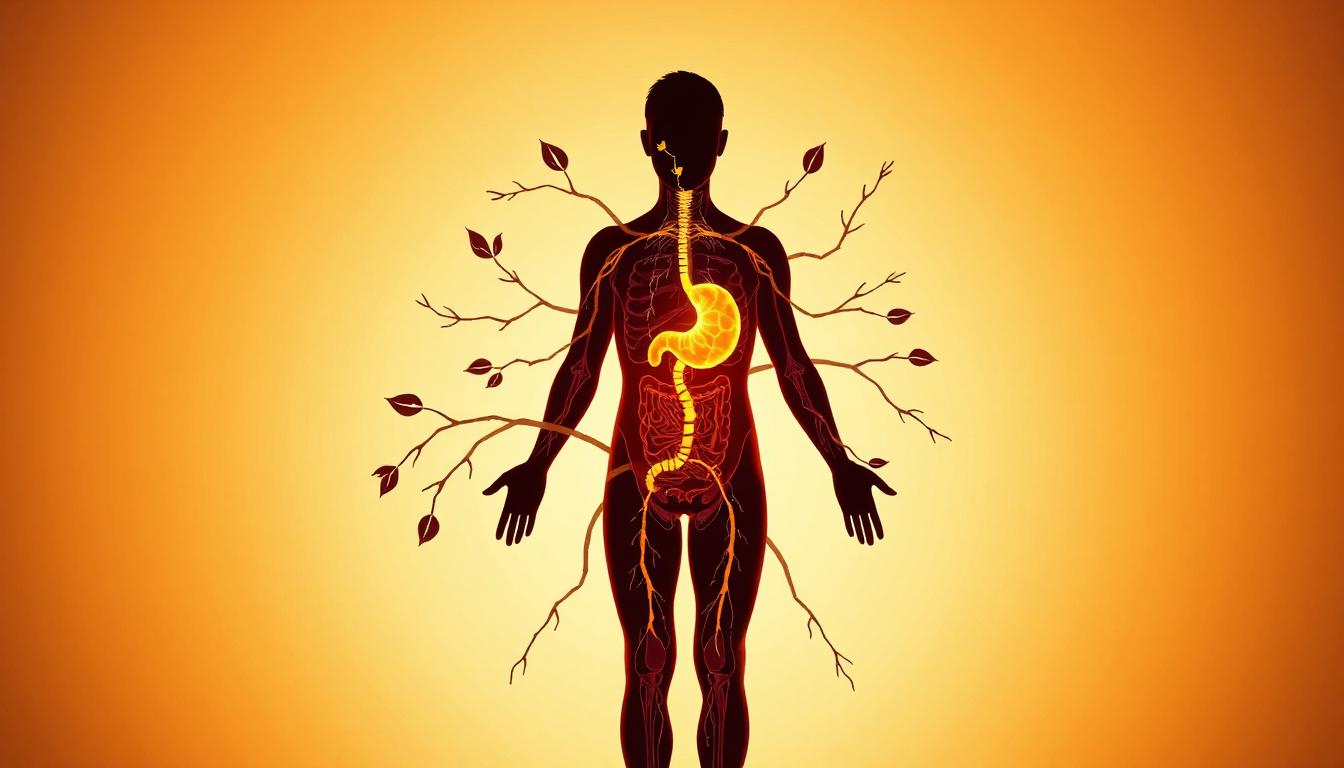
Why “Putting Out Fires” Keeps You Sick: The Problem with Symptom Suppression
Imagine you get a fever, take a pill, and the fever drops. Relief. But what if the fever was a signal—an alert that something deeper was off, like an infection, a nutrient deficiency, or a hidden inflammation? If you only silence the fever and never look deeper, the source stays. Over time, more alarms might go off.
In health care, too often we treat symptoms – pain, fatigue, digestive upset – without asking the tougher question: Why is this happening in the first place? That’s the mindset behind IW Method’s approach: uncover the root cause instead of layering on band-aids.
The Difference: Symptoms vs. Root Cause
- Symptom suppression = short-term relief. Drugs, creams, therapies that “turn off” signals your body sends (pain, swelling, mood swings) without fixing what triggered them.
- Root cause healing = deeper, lasting change. It seeks to address imbalances in hormones, gut health, mental stress, immune system, toxins, or nutrition – whatever’s creating stress on your system.
At IW Methord , Dr. J practices functional medicine precisely to dig into those underlying drivers of illness, not just quiet symptoms.
Why Suppressing Symptoms Can Backfire
- Signals get weaker
When you dull pain or inflammation, your body’s “alert system” goes silent—but the damage can continue. Just because you don’t feel worse doesn’t mean things are improving. - New symptoms show up
Masking one issue can shift imbalance elsewhere – liver compensation, hormonal knock-ons, nutrient depletion, gut flora shift, etc. - Chronic reliance on fixes
Pills, creams, or therapies can become crutches. Your system never learns to repair itself, because it’s never asked to. - Masking serious issues
Declining strength, subtle autoimmune trends, or metabolic dysregulation can slip by if you only respond to overt symptoms.
How Root Cause Work Looks in Practice
IW Method illustrates this with their process:
- They begin with a free health assessment to listen, map history, and detect patterns.
- They use functional medicine tools (labs, biomarkers, gut panels, hormone assays) to reveal hidden imbalances.
- They design a personalized plan – not a template – targeting what’s thrown off (gut, hormones, detox pathways, stress, etc.).
- They monitor closely, adjust, and support your system so repair becomes possible, not just symptom control.
It’s like gardening. You don’t just prune dead branches (symptoms) – you enrich soil, fix drainage, nurture roots. Then the whole plant can thrive.
A Story: From Chaos to Clarity
Let’s say someone has chronic fatigue, brain fog, and joint pain. A conventional route might hand out stimulants, anti-inflammatories, or painkillers. Temporarily helpful – but the person still feels off.
In the root-cause approach:
- Blood work could show thyroid, adrenal, or mitochondrial stress
- Gut tests might reveal dysbiosis or malabsorption
- Hormonal panels might show estrogen/progesterone or cortisol imbalances
- Environmental/lifestyle audit might reveal mold exposure, poor sleep, or heavy emotional stress
Then a plan is created to fix what’s faulty—not just hide the symptoms. Over weeks to months, many of these secondary symptoms can fade away, because they were downstream effects of core dysfunction.
Why This Message Resonates (and Goes Viral)
- It offers hope: Many people feel stuck, tried all the pills, and still haven’t found answers. This is a direction that says, “Yes—you might heal deeply.”
- It challenges the status quo: The idea that suppressing symptoms is enough is shaky. Questioning that makes people pause and rethink.
- It connects to identity: “I don’t want to just feel better. I want to truly be well.” That’s powerful.
- It encourages action: People love being given a next step – get an assessment, dig deeper, partner in healing.
How to Begin Your Own Root Cause Journey
- Start with listening
Track your symptoms. Look for patterns – times, foods, stressors. Write your body’s story. - Choose depth over quick fixes
When something hurts, ask “why” three times. Don’t rush to mask. - Get functional testing
Labs beyond the standard (hormones, microbiome, detox markers) can reveal what normal checks miss. - Work with a holistic guide
You don’t have to do it alone. A clinician like Dr. J can help you interpret results and build a sustainable plan. - Monitor & adapt
Healing is rarely linear. Be ready to tweak your plan as you go.
Health isn’t just about not being sick. It’s about balance, resilience, and flourishing. Suppressing symptoms is sometimes necessary – but it’s never sufficient. When you search for the root cause, you open the door to true transformation.